


Quick Guide to Embroidery Machine Types: For Accurate Selection
2025-08-20
I. By Drive Method: Determines Precision and Stability
1. Mechanical Drive Embroidery Machines
Features: Relies on mechanical components like gears and cams for transmission. Changing embroidery patterns requires replacing "pattern templates"; precision is limited, only suitable for basic patterns, and operation depends on manual experience.
Applications: Home embroidery enthusiasts, small workshops for low-volume production, and beginner training.
2. Computerized Numerical Control (CNC) Embroidery Machines
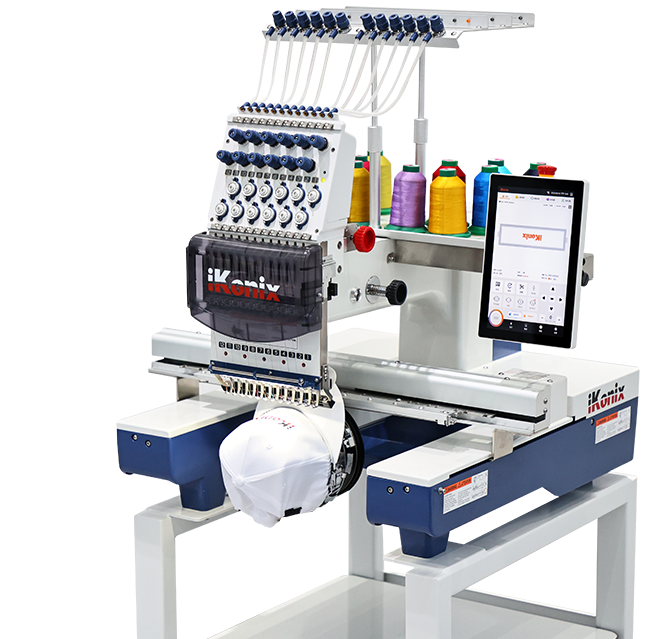
Features: Controlled by servo motors via a computer; patterns can be changed by loading digital files (e.g., DST/EMB formats). High precision, high automation, supports complex embroidery techniques and multi-head operation.
Applications: Professional fields such as apparel, home textiles, and cultural and creative products; the mainstream choice for commercial production.
II. By Application Scenario: Matches Production Scale
1. Home Embroidery Machines
Features: Compact and space-saving, easy to operate, small embroidery area, low speed, supports basic embroidery techniques, and comes with a built-in basic pattern library.
Applications: Home DIY projects, small studios for customization (name labels, small cultural and creative items), and embroidery teaching.
2. Commercial Embroidery Machines
Features: Moderate size, moderate number of heads and needle positions, higher speed than home machines, supports multiple embroidery types, and can be equipped with accessories like automatic thread trimmers.
Applications: Small and medium-sized garment factories (LOGO embroidery), home textile workshops (medium-volume production), and gift customization stores.
3. Industrial Embroidery Machines
Features: Large floor-standing design, multiple heads and needle positions, customizable embroidery area, high speed, full configurations, and supports 24/7 high-load operation.
Applications: Large garment enterprises, home textile factories, and large-scale mass production in industrial clusters.
III. By Functional Features: Focus on Special Embroidery Effects
1. Flat Embroidery Machines
Positioning: Basic all-purpose model for flat embroidery; compatible with most fabrics, can be paired with accessories like appliqué and hot-fix rhinestone tools. The standard configuration for enterprises.
Applications: Apparel LOGOs, home textile patterns, and surface embroidery on cultural and creative products.
2. Sequins Embroidery Machines
Positioning: Automatically places and secures sequins (round or special-shaped) to create shiny effects; can be combined with flat embroidery.
Applications: Wedding dresses, stage costumes, and decorative gifts.
3. Cord Embroidery Machines
Positioning: Feeds cords (cotton, wool, metal, etc.) to create raised 3D patterns; can be paired with flat/sequins embroidery.
Applications: Luggage, carpets, and clothing accessories.
4. Quilting-Embroidery Machines
Positioning: Combines quilting and embroidery functions; secures fillings while embroidering patterns, suitable for thick fabrics.
Applications: Home textiles (quilts, mattress covers) and furniture fabrics.
5. Laser Embroidery Machines
Positioning: Integrates laser cutting and embroidery; prevents fabric fraying and creates special-shaped patterns (e.g., hollow designs, delicate lace).
Applications: Leather products, plush toys, and lace trims.
IV. Simplified Selection Tips
Choose home machines for small-volume/home use, commercial machines for medium-volume production, and industrial machines for large-scale mass production.
Opt for flat embroidery machines for basic flat patterns; select sequins/cord/laser machines based on special effect needs.
For future expansion of embroidery types, prioritize machines that support accessory upgrades.
We can provide customized selection solutions and after-sales support based on your fabric type, order scale, and embroidery requirements, helping you achieve efficient production!