The first step in choosing an embroidery machine is to clarify "what you want to do and how to do it", avoiding issues like wasted production capacity or insufficient performance later on. Focus on sorting out your needs from three dimensions:
Different production models have entirely different requirements for equipment "efficiency" and "flexibility":
Mass production (e.g., clothing logos, bulk home textile embroidery): Prioritize multi-head embroidery machines. These machines can embroider multiple identical patterns simultaneously, making them suitable for scenarios with large order volumes and fixed patterns. They significantly reduce unit time costs and boost overall production capacity.
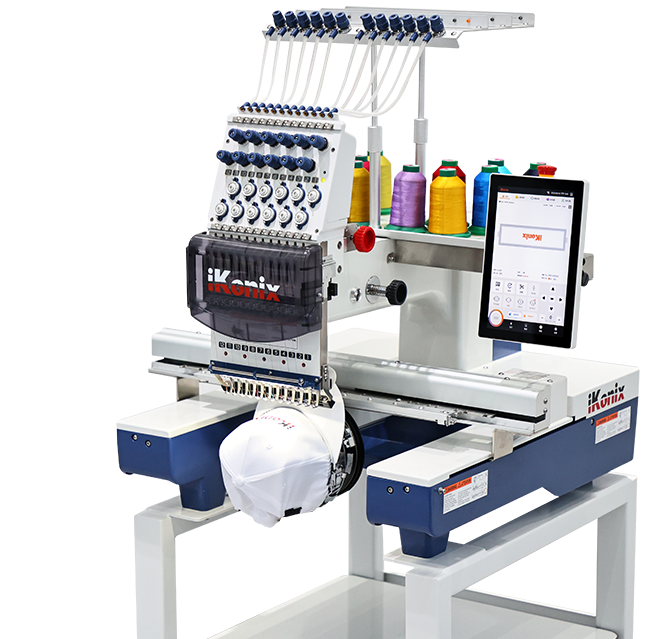
Small-batch customization/sampling (e.g., personalized clothing, cultural and creative handcrafts, sample development): Single-head or double-head embroidery machines are more appropriate. These machines occupy less space, are flexible to operate, and allow for quick pattern changes and parameter adjustments. Even small orders of 1-2 pieces can be completed efficiently, avoiding the "high startup costs and troublesome pattern changes" of multi-head machines.
Specialty process needs (e.g., towel embroidery, sequin embroidery, cord embroidery): Do not choose ordinary flat embroidery machines. Instead, opt for models equipped with corresponding specialty embroidery modules or combined "flat embroidery + specialty embroidery expansion module" styles. This prevents the need to purchase additional equipment later due to insufficient process capabilities, which would increase costs.
The "embroidery frame size" and "accessory compatibility" of an embroidery machine must match the processing category; otherwise, you may not be able to embroider or achieve good results:
Clothing embroidery (T-shirts, shirts, jeans): Check if the embroidery frame can cover the size of commonly used patterns. It is sufficient for the number of needles to meet the needs of colored patterns—there is no need to pursue an excessive number of needles, which would lead to waste.
Home textile embroidery (bed sheets, curtains, throw pillows): Choose machines with larger embroidery frames to ensure they can accommodate the regular size of home textile fabrics. At the same time, pay attention to the fabric feeding system to prevent heavy or elastic fabrics from wrinkling or misaligning during feeding.
Small accessory embroidery (badges, hats, socks): Confirm whether the machine can be paired with dedicated accessories—for example, hat embroidery requires a hat embroidery device, and sock embroidery requires a sock embroidery fixture. Otherwise, unstable clamping will affect embroidery accuracy.
Your budget should not only cover the purchase price of the machine but also account for later operation and maintenance costs. For production capacity, you need to reserve a certain amount of space to avoid repeated purchases in the short term:
Budget allocation: In addition to the machine itself, set aside funds for consumables (threads, needles, etc.) and replacement of wearing parts to prevent production disruptions due to unexpected overspending on hidden costs later.
Production capacity reservation: If you expect order volumes to grow within 1-2 years, prioritize expandable models—such as those that allow for later addition of heads or installation of specialty embroidery modules—to reduce repeated investments.
Embroidery machines are mainly divided into two categories: flat embroidery machines and specialty embroidery machines. There is no "all-in-one machine"; only "suitable machines". Choosing the right type ensures maximum value:
Flat embroidery machines are the most versatile models. They create flat patterns through needle and thread piercing, making them suitable for most regular scenarios such as clothing logos, home textile patterns, badges, and hats.
Advantages: Moderate price, simple operation, easy maintenance, wide compatibility with fabrics. Most flat embroidery machines also support later installation of specialty embroidery modules, offering high flexibility.
Recommendation: If you mainly engage in regular flat embroidery and may expand your product range in the future, a flat embroidery machine is the priority. Simply choose a single-head or multi-head model based on your production model.
Specialty embroidery machines achieve three-dimensional and unique effects through dedicated modules, making them suitable for high-end customization and cultural and creative product scenarios. Common types include:
Towel embroidery machines: Create soft, towel-like patterns, ideal for throw pillows and children’s clothing;
Sequin embroidery machines: Automatically embroider sequins to create a sparkling effect, suitable for formal dresses and stage costumes;
Cord embroidery machines: Use ribbons and cords to create three-dimensional lines, suitable for wedding dresses and high-end home textiles;
Combined embroidery machines: Integrate processes such as flat embroidery, towel embroidery, and sequin embroidery, suitable for complex high-end patterns.
Recommendation: If your orders clearly include specialty processes or you focus on high-end customization, you can directly choose the corresponding specialty embroidery machine. If you only need specialty processes occasionally, a "flat embroidery machine + detachable specialty embroidery module" is more cost-effective.
An embroidery machine is a production equipment used for a long time. Brand strength and after-sales service directly affect the machine’s service life and production stability—especially for beginners or small and medium-sized workshops, after-sales support is crucial:
Prioritize brands with good market reputation and strong R&D capabilities, whether they are mainstream domestic brands or imported ones. Avoid assembly machines from small workshops—although these machines seem cheap, they may use inferior components, suffer frequent breakdowns, and lack after-sales service. Once broken, they can only be discarded, leading to greater waste.
Response speed: After a machine failure, can the manufacturer respond promptly? Is there a local service center? After all, a day of machine downtime means a day of lost orders.
Warranty scope: Clarify which components are covered under warranty (e.g., motors, control systems) and how long the warranty period lasts to avoid disputes later.
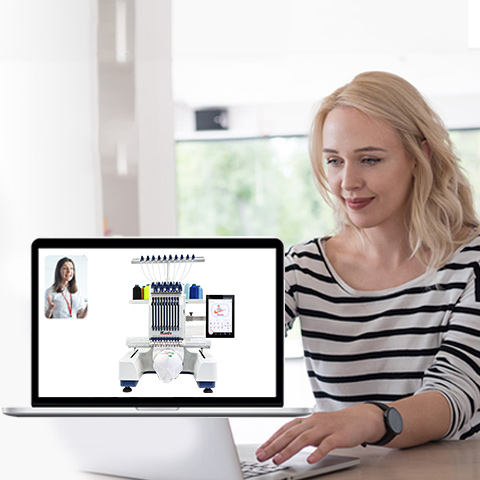
Training support: Does the manufacturer provide on-site installation and commissioning, as well as operation training? Can beginners get started quickly? Is there a technical hotline available for consultation when problems arise in daily use?
If possible, visit users in the same industry to see the actual performance of the equipment. You can also check user reviews on industry forums and social media, focusing on "common issues"—such as whether thread breakage is frequent and whether after-sales service is timely. Real cases are more reliable than advertisements.
Don’t blindly pursue low prices: Low-priced machines may use inferior components, and later maintenance costs will far exceed the money saved initially;
Don’t aim for "more is better": Small workshops don’t need high-end models with multiple heads and needles—if you can’t use all the functions, it’s just a waste;
Don’t ignore compatibility: If you embroider elastic fabrics but choose a machine without a presser foot fabric feeding function, it will easily cause fabric deformation and 不合格 products;
Don’t underestimate after-sales service: Some brands offer long warranty periods but slow after-sales response. If the machine breaks down and no one repairs it, a long warranty period is useless.
Define needs: Clarify your production model, embroidery category, and budgeted production capacity to know "what you need";
Choose the machine type: Select a flat embroidery machine for regular needs and a specialty embroidery machine for specialty needs—don’t blindly pursue an all-in-one model;
Check services: Choose a reputable brand and ensure after-sales response, warranty, and training are in place.
Choosing the right embroidery machine can help you improve efficiency, ensure quality, and gain an advantage in market competition. If you still have questions during the selection process—such as recommendations for machines in specific scenarios—feel free to contact us. We will provide customized suggestions based on your actual needs.



 2025-08-21


