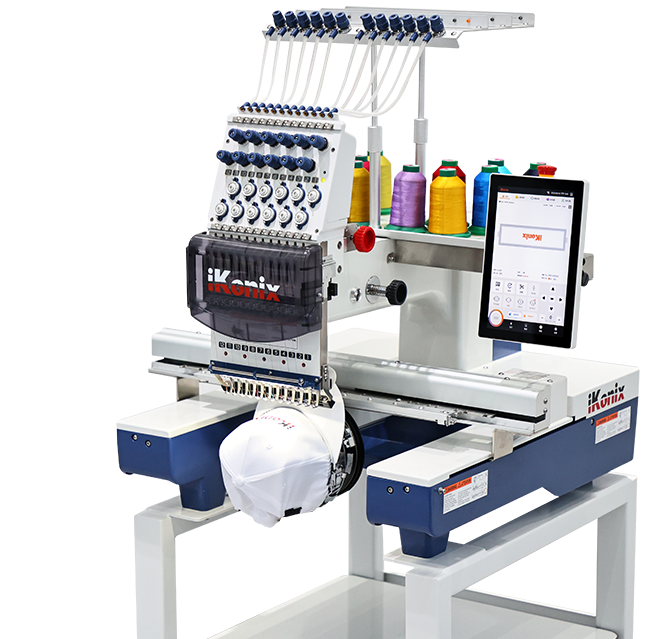
If you’re an embroidery enthusiast or want to do small-batch DIY customization, a home embroidery machine is your best choice. Its key advantages are "flexibility, portability, and ease of operation," perfectly suited for home or micro-scale scenarios.
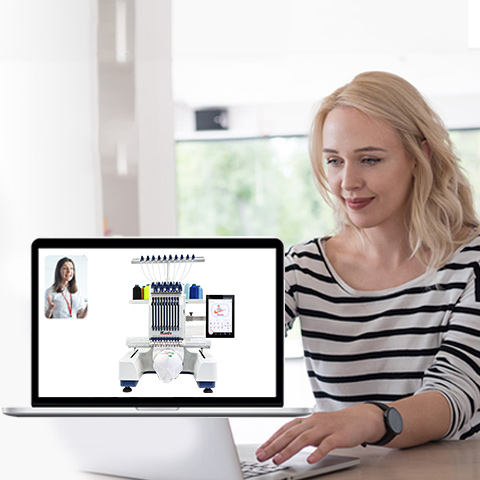
Device Features: Compact size, taking up little space—you can place it on a desk or workbench. The interface is as intuitive as household appliances, allowing even beginners to get started quickly. Many models also support connecting to mobile phones/computers to import embroidery patterns. It focuses on basic embroidery techniques (flat embroidery, simple appliqué, letter embroidery) and comes with a built-in library of common patterns to meet daily creative needs.
Suitable Users/Scenarios:
Home enthusiasts: DIY children’s clothing patterns, notebook decorations, and embroidered gifts (e.g., towels or cushions with names).
Micro-studios: Small-batch customization of name tags, pet clothing, and small cultural and creative items (e.g., canvas bags, notebook covers).
Educational scenarios: Embroidery interest classes and primary/secondary school handcraft courses for simple teaching demonstrations.
In short, home embroidery machines are "hobby tools" that prioritize "being sufficient and easy to operate," and are not suitable for large-scale production.
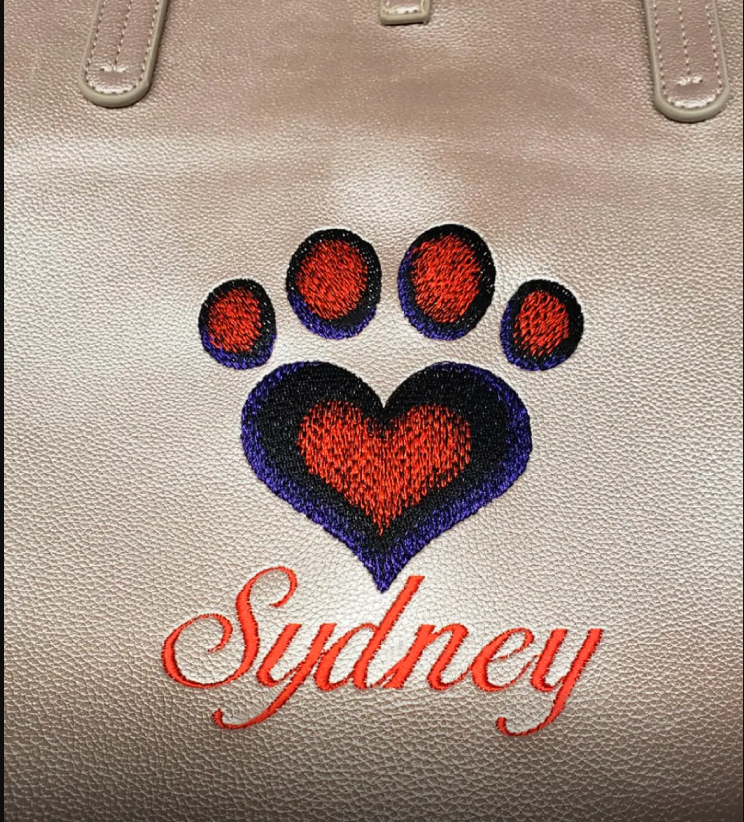
If your need is "medium-batch production"—such as running a small-to-medium garment workshop, home textile store, or gift customization shop—commercial machines are ideal. They are more efficient than home machines and more flexible than industrial ones, enabling quick responses to multi-category orders.
Device Features: Moderate size, more stable than home machines. They have more machine heads and needle positions than home models, supporting more colors and embroidery types (e.g., adding sequin or cord embroidery functions). They can also be equipped with auxiliary devices like automatic thread trimmers and thread break alarms to reduce manual operations. Pattern and fabric changes are fast, compatible with fabrics from cotton and linen to thin leather, without long debugging times.
Suitable Users/Scenarios:
Small-to-medium garment factories: Embroidering logos or cuff patterns on clothing. Single orders are not extremely large, but efficiency is still a priority.
Home textile workshops: Producing embroidered bed sheets, curtains, and cushions. Orders involve many categories, requiring frequent pattern switches.
Gift customization shops: Batch-producing embroidered towels, backpacks, and gift boxes, while ensuring quality and controlling costs.
Commercial embroidery machines are "business tools" that prioritize "versatility and efficiency," filling the gap between home and industrial machines.
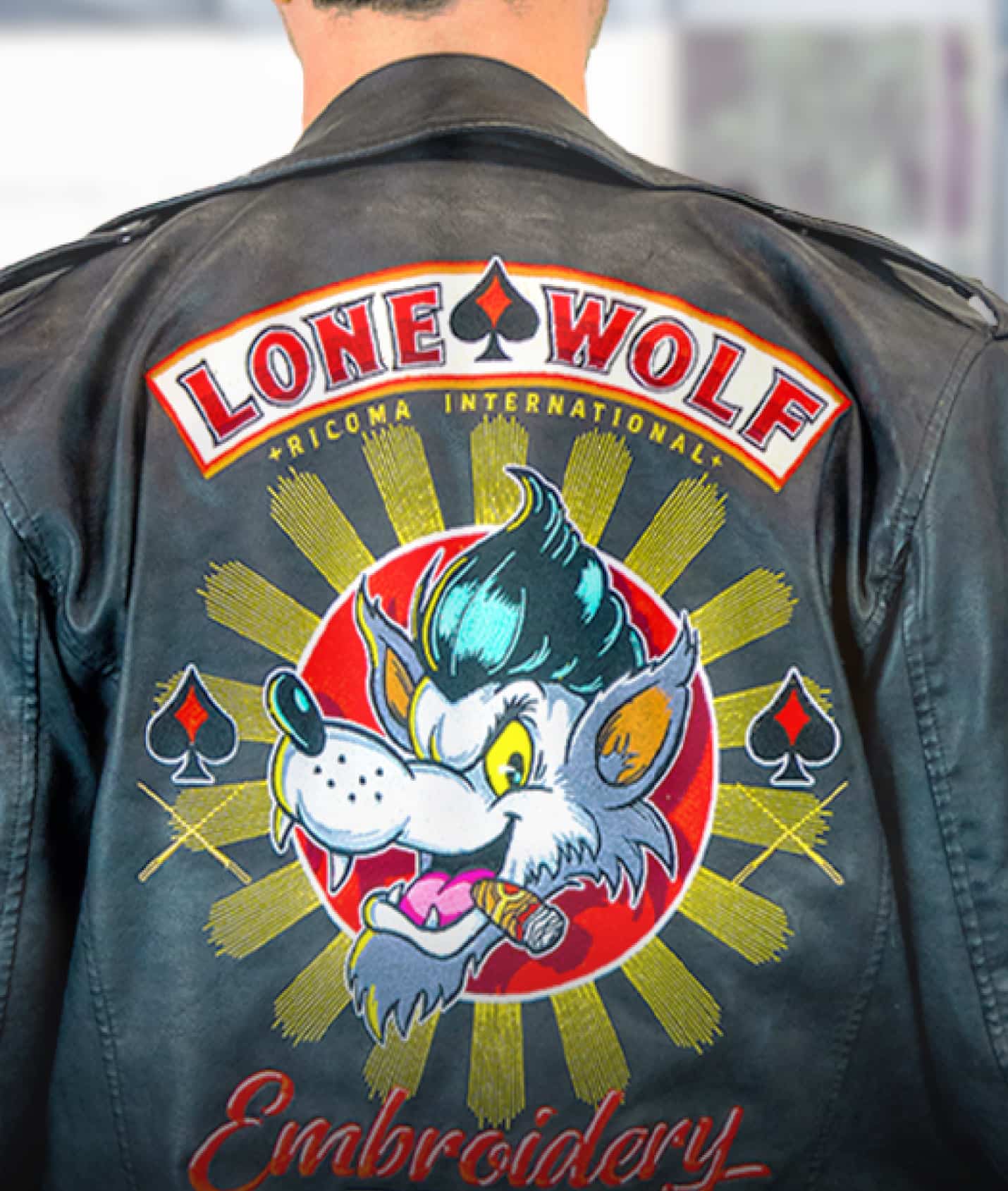
If your business involves "large-scale standardized production"—such as large garment enterprises or home textile factories—industrial machines are the only option. Their design focuses on "high load, high stability, and high output," capable of handling the heavy workload of continuous production.
Device Features: Floor-standing design, large in size but highly stable. Equipped with multiple machine heads and needle positions, they can embroider multiple products simultaneously. They have high speed and comprehensive configurations (from automatic color changing and adaptive fabric tension to intelligent layout), and can even operate continuously for 24 hours. Embroidery precision is consistent with low failure rates, making them suitable for long-term high-load work.
Suitable Users/Scenarios:
Large garment enterprises: Mass-producing logos on sportswear, embroidery on school uniforms, and patterns on denim. A large number of products need to be produced daily.
Home textile factories: Large-scale production of embroidered four-piece bedding sets, towel blankets, and sofa covers, requiring consistent patterns across all products.
Industrial cluster processing: For example, clusters specializing in wedding dress embroidery or car interior embroidery, undertaking large-batch orders that require continuous equipment operation.
Industrial embroidery machines are "production equipment" that prioritize "stability and mass production," and are not suitable for small-batch or frequently changing orders.
"What will you use it for?" Choose a home machine for hobby DIY, a commercial machine for medium-batch orders, and an industrial machine for large-scale mass production.
"How large are your orders?" Choose a home machine for single orders of dozens of items, a commercial machine for hundreds of items, and an industrial machine for thousands of items.
"Do you need to change patterns frequently?" Choose a home/commercial machine for frequent pattern changes, and an industrial machine for long-term fixed patterns.
Choosing the right embroidery machine helps you avoid "overspending on an underused machine" or "buying a cheap one that can’t meet your needs." If you’re still unsure, you can consult professional manufacturers directly based on your specific needs (e.g., common fabrics to embroider, order types) for more accurate advice.